Why Is Documentary Photography?
What Makes Documentary Photography So Powerful?
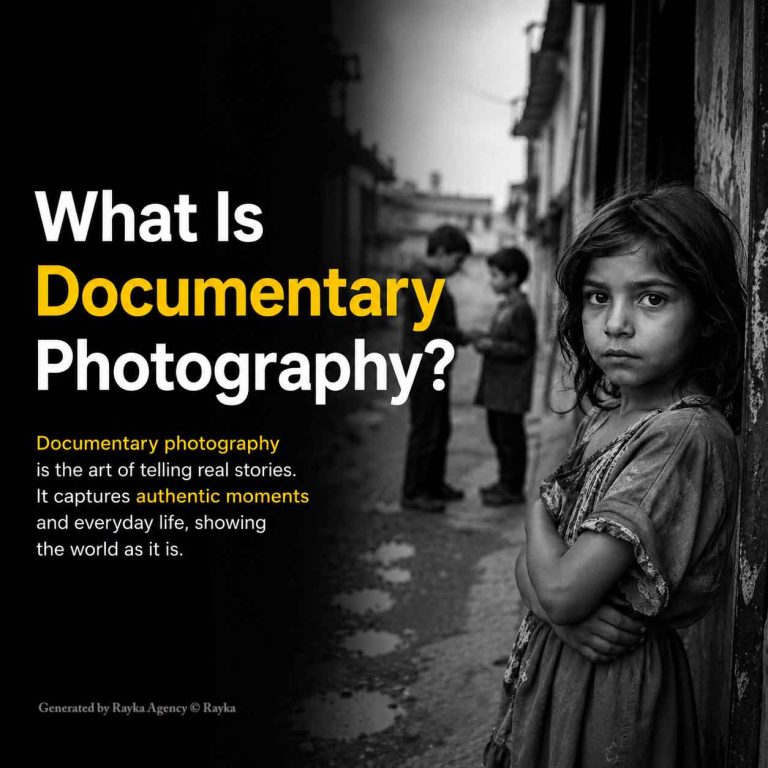
Documentary photography is one of the most influential forms of visual storytelling in the modern world. It captures real people, real emotions, and real events without artificial staging. Unlike commercial or fashion photography, documentary images focus on truth, daily life, social issues, and historical moments. Because of this authenticity, documentary photography creates a deep emotional connection between viewers and subjects. Photographers in this field often document culture, poverty, war, migration, traditions, climate change, and human experiences. These images can educate audiences, inspire conversations, and even influence political or social change. A single powerful photograph can communicate emotions more effectively than pages of written text. Documentary photography matters because it preserves reality. It allows future generations to understand what life looked like during specific moments in history. From historical conflicts to everyday street life, documentary photography becomes a visual archive of humanity.
Why Does Documentary Photography Matter in Modern Society?
In today’s digital world, people consume visual content faster than ever before. Documentary photography plays an important role because it provides truthful visual narratives in a time filled with edited and manipulated media. Authentic photographs help audiences see the world from different perspectives. Modern documentary photographers often focus on topics such as environmental crises, social inequality, mental health, cultural identity, and urban life. Their work encourages empathy and awareness. When viewers see genuine human struggles and achievements, they become more emotionally connected to global issues.
How Does Documentary Photography Tell Real Stories?
Storytelling is the heart of documentary photography. Every image contains details about people, environments, and emotions. Documentary photographers observe life carefully and capture moments naturally instead of directing subjects. Strong documentary storytelling often includes emotion, atmosphere, and context. A photograph of a worker in difficult conditions, for example, can reveal economic struggles without using words. Images of communities, protests, or traditions can show cultural realities and human resilience. Photographers use composition, lighting, timing, and perspective to strengthen their narratives. Black-and-white documentary photography is also popular because it removes distractions and focuses attention on emotion and storytelling. Visual storytelling through documentary photography is powerful because viewers instantly connect with what they see. Human expressions, body language, and surroundings communicate meaning quickly and emotionally.
Why Do Documentary Photographers Focus on Real Life?
Reality is the foundation of documentary photography. Photographers in this genre aim to observe rather than control situations. Their goal is to capture life honestly and respectfully. Real-life photography creates trust between the image and the audience. People often respond more strongly to genuine moments than staged scenes. Documentary photographers therefore spend time understanding communities, environments, and subjects before taking photographs. This approach also helps preserve cultural traditions and social identities. Many documentary projects focus on disappearing lifestyles, indigenous communities, or changing cities. Through photography, these realities become part of historical memory. Documentary photographers must also consider ethics. Respect for subjects, honesty in editing, and accurate representation are essential. Ethical documentary photography maintains credibility and emotional truth.
How Has Documentary Photography Changed in the Digital Era?
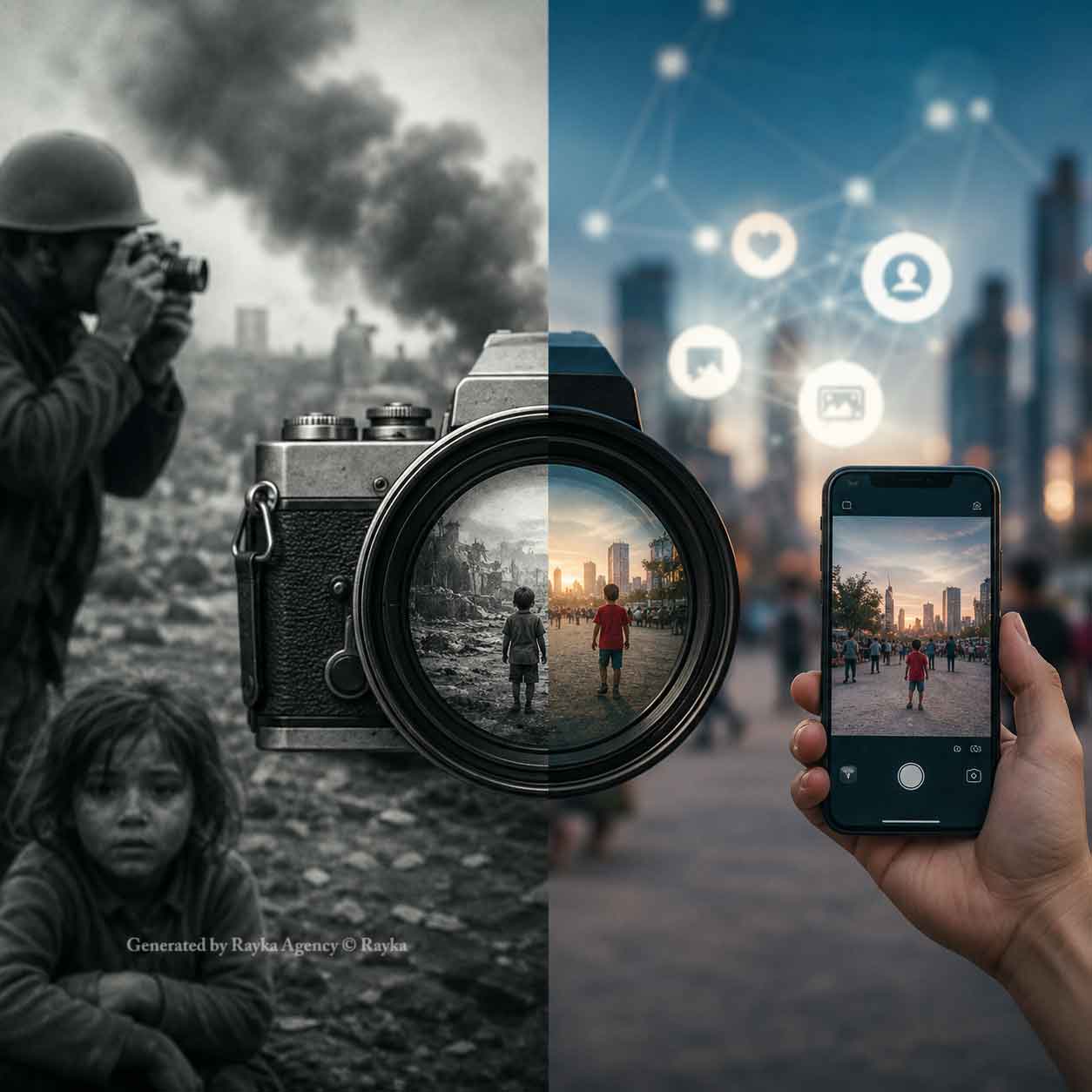
Technology has transformed documentary photography significantly. Digital cameras, smartphones, drones, and social media platforms allow photographers to share stories instantly with global audiences. Today, documentary images can reach millions of people within minutes. Social media has also created opportunities for independent photographers. Many artists now publish long-term documentary projects online without relying on traditional magazines or newspapers. This has expanded the diversity of voices in documentary storytelling. However, the digital era also brings challenges. Image manipulation and artificial intelligence make audiences question authenticity. Because of this, ethical and truthful documentary photography has become even more valuable. Modern documentary photographers now combine traditional storytelling techniques with multimedia formats such as video, audio interviews, and interactive galleries. These innovations create deeper audience engagement and richer storytelling experiences.
Conclusion
Documentary photography remains one of the most meaningful forms of visual communication today. It preserves history, raises awareness, and connects people through authentic storytelling. In a world filled with fast-moving digital content, truthful documentary images continue to hold emotional and social power. By capturing real moments and human experiences, documentary photographers help audiences understand cultures, conflicts, emotions, and social realities more deeply. Whether documenting everyday life or major historical events, documentary photography continues to shape how people see and understand the world.