PERPLEXITY
“When economic collapse reaches care centers, suffering is no longer just a social crisis, it becomes a human tragedy.”
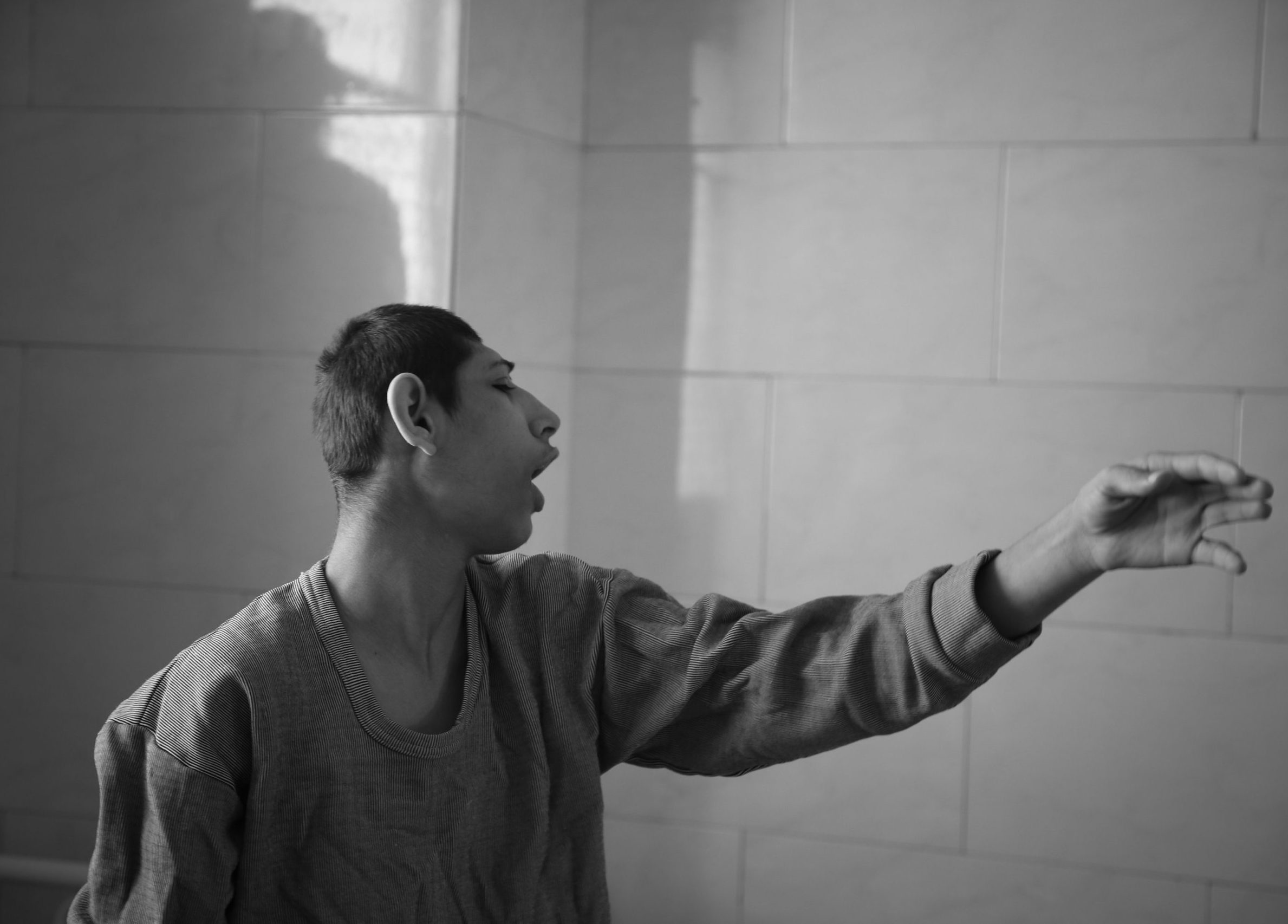
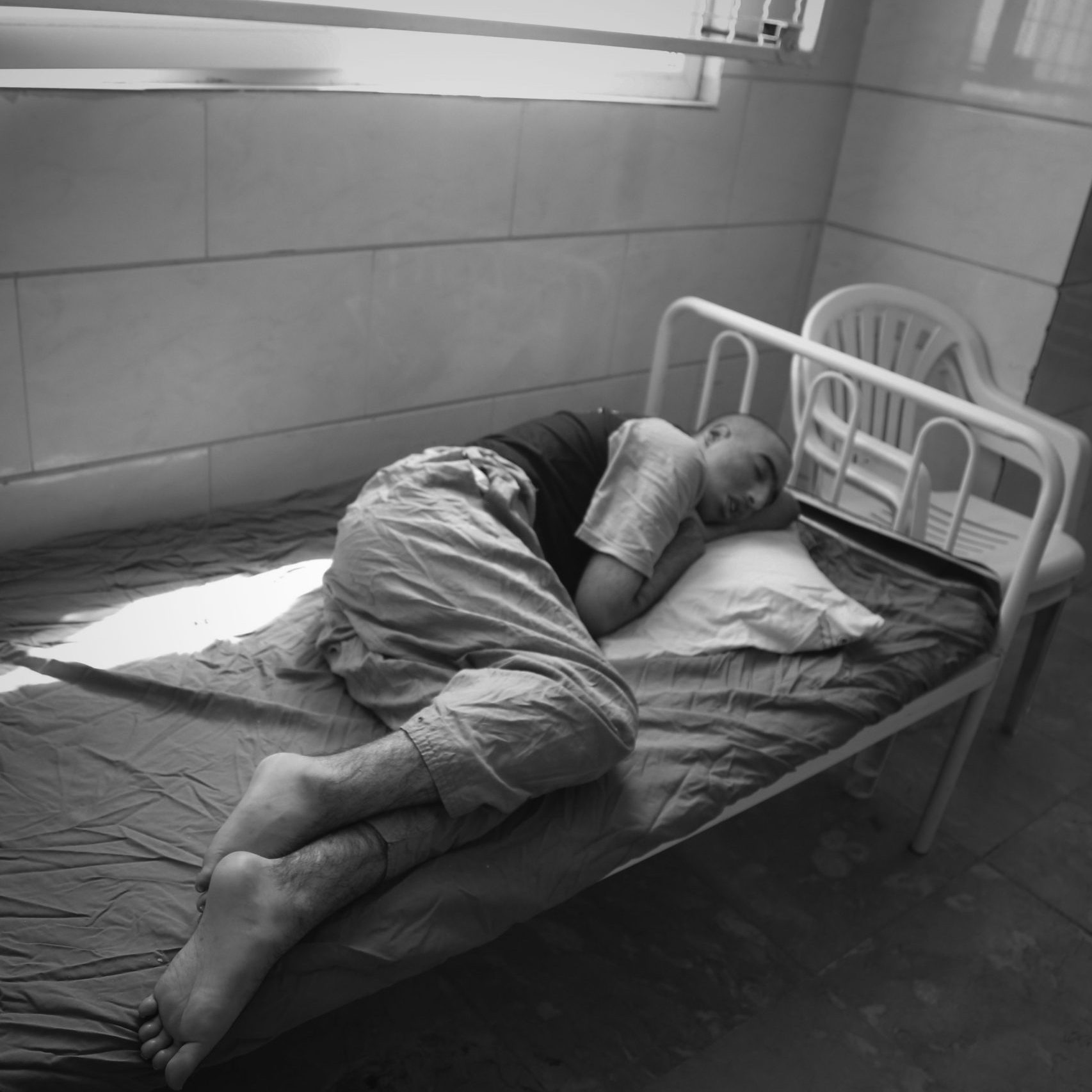
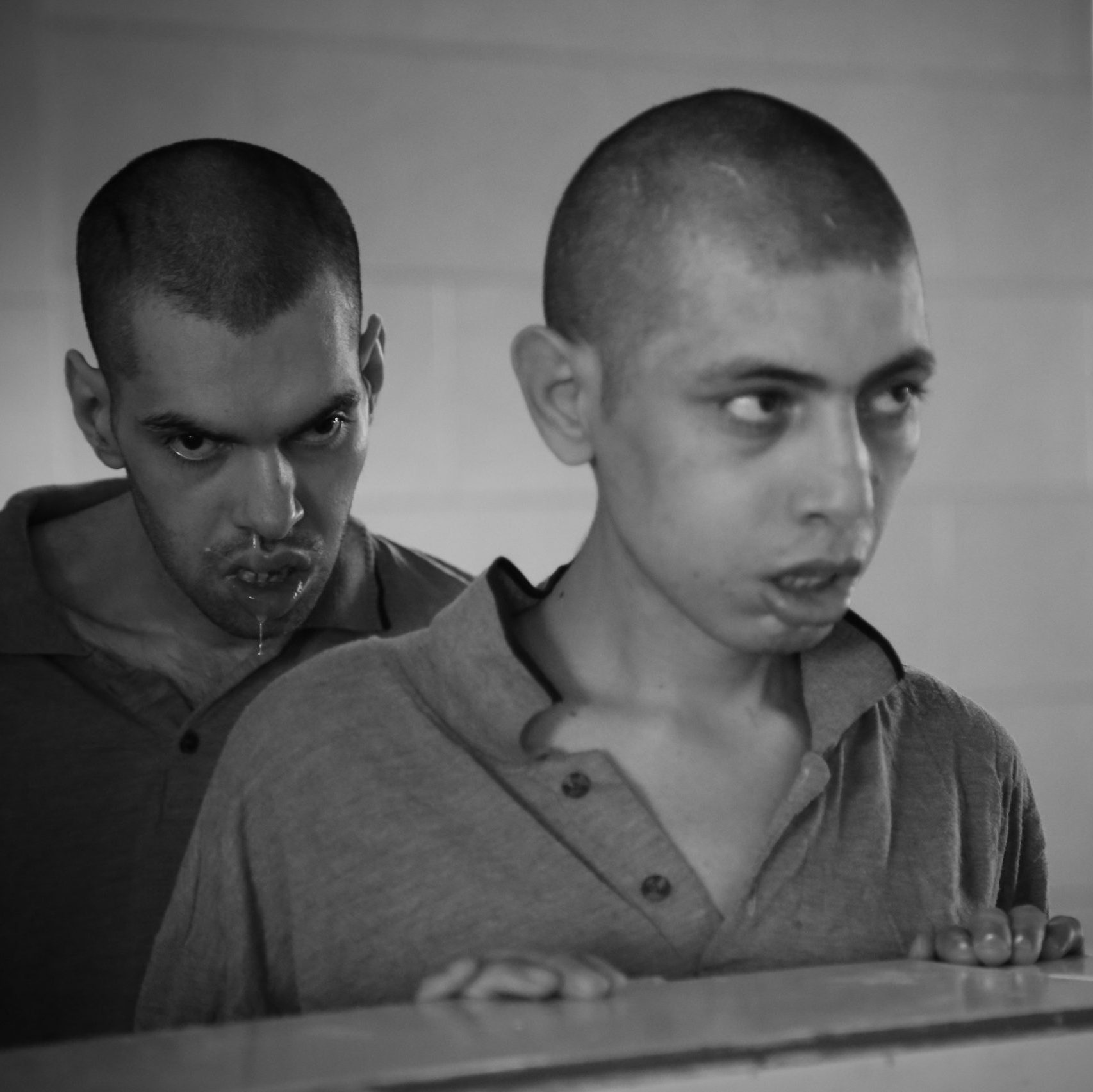
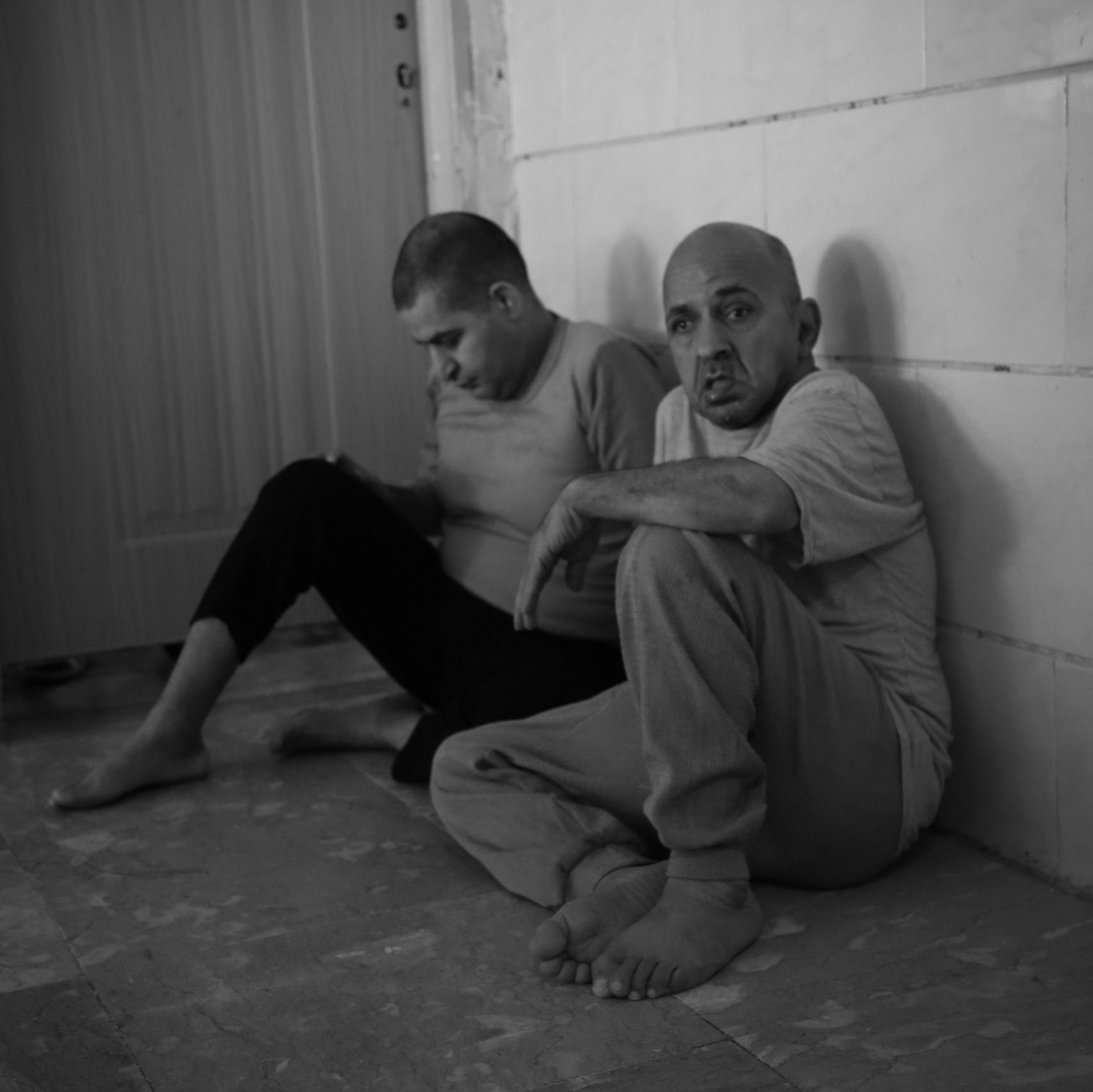
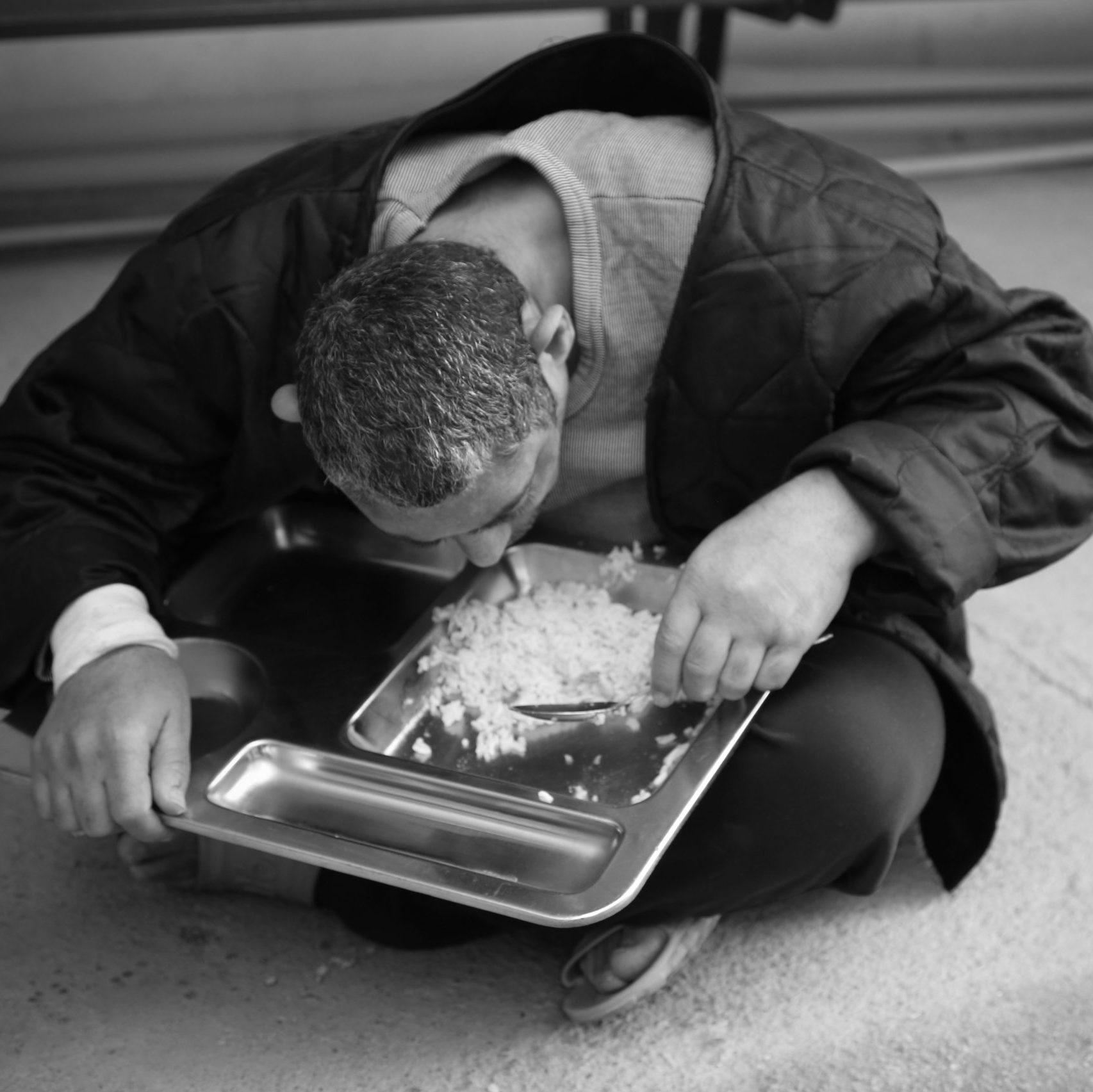
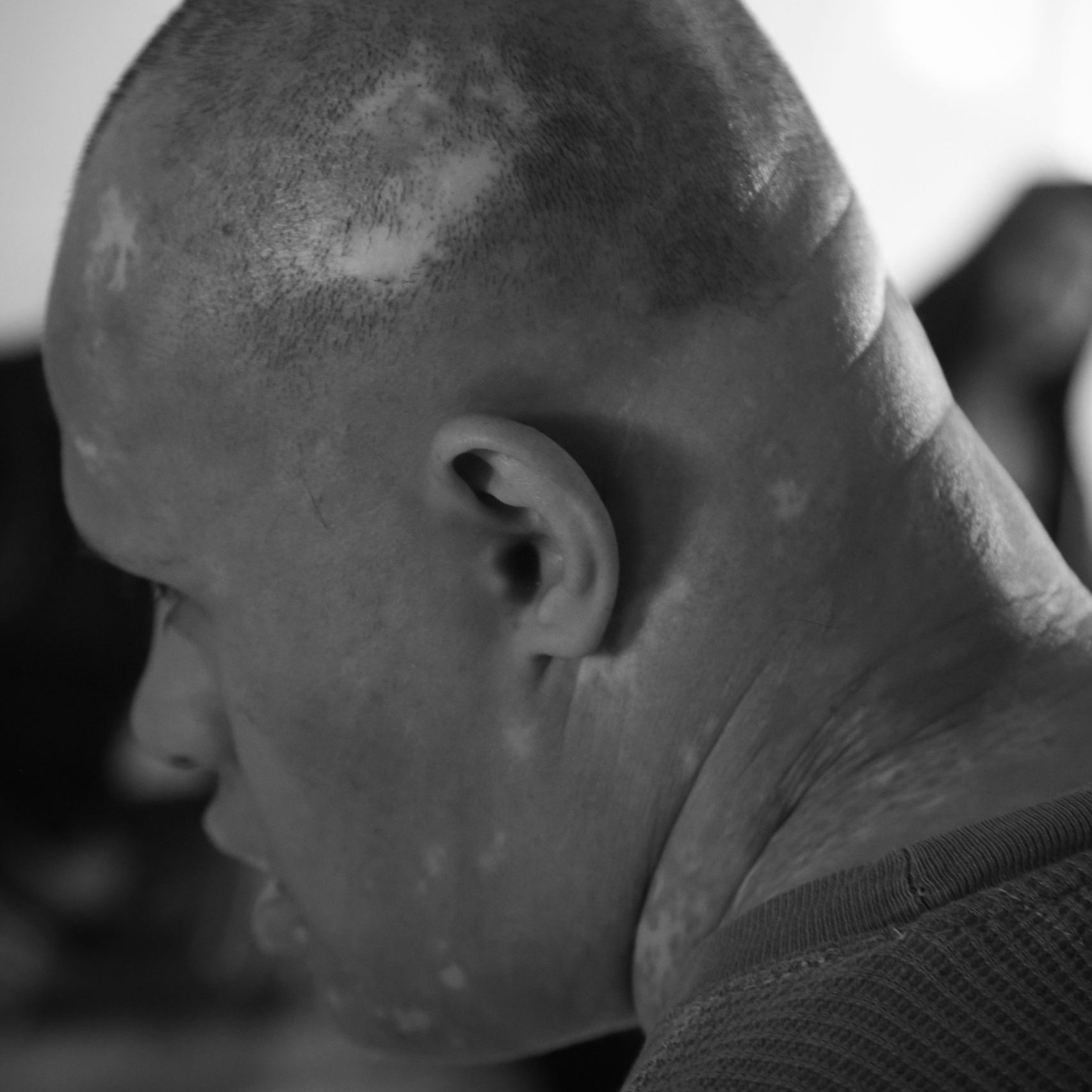
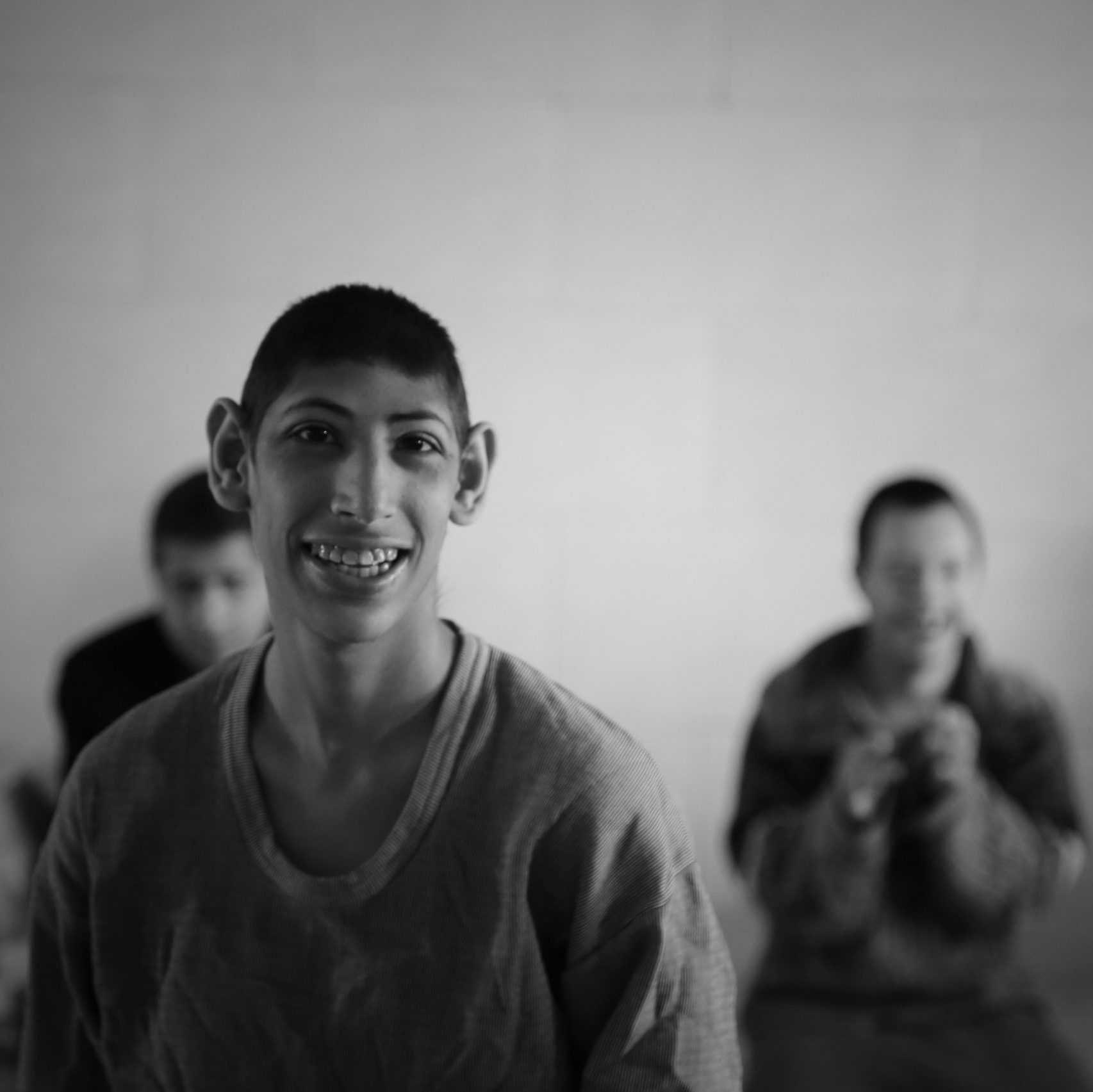
PERPLEXITY is a long-term documentary photo series focused on men with Down syndrome living in a care center called “Farzandan-e Man” in Baghershahr, on the outskirts of Tehran, Iran. This project was photographed in 2018 by Atefeh Farhangikia as an independent visual investigation into the hidden realities of institutional care, neglect, and human dignity.
Unlike commissioned photographs created for official organizations such as the Iranian Welfare Organization, this body of work was produced with complete independence and honesty. Its purpose was not to create decorative or symbolic images, but to reveal the true emotional and physical conditions of the residents and the difficult environment in which they lived.
The photographs show men whose lives are often excluded from public attention. Through intimate portraits and quiet everyday moments, the series reflects loneliness, vulnerability, silence, and emotional abandonment. At the same time, the images preserve the dignity, individuality, and humanity of each person. Their faces, gestures, and expressions become a form of testimony against invisibility.
The care center itself was facing severe economic hardship. Poor funding, lack of medical resources, limited access to proper nutrition, and weak support systems created serious challenges for both residents and caregivers. A large part of this crisis was connected to the broader economic collapse and the harmful policies of the Islamic Republic, which deeply affected independent care centers and social institutions across the country. As a result, basic treatment, medicine, and daily care became increasingly difficult to provide.
PERPLEXITY does not only document disability; it documents the social and political structures that produce neglect. It asks questions about responsibility, silence, and the way societies choose which lives deserve visibility and protection.
The visual language of the series is intentionally direct and clear. The photographs avoid visual manipulation and instead rely on honesty, proximity, and emotional presence. The sharpness of the images allows the viewer to confront details that are often ignored: tired eyes, worn spaces, moments of waiting, and the fragile balance between care and abandonment.
This project later became the basis for several photography exhibitions and public presentations. A selection of the photographs was published and exhibited in various magazines, galleries, and exhibitions in London, where the work opened wider conversations around disability, institutional neglect, and the ethics of documentary photography.
PERPLEXITY stands as both an artistic and social document—a visual archive of lives that are too often pushed outside the frame. It is a reminder that documentary photography is not only about witnessing pain, but about restoring dignity to those whose suffering has been forgotten.