EVE
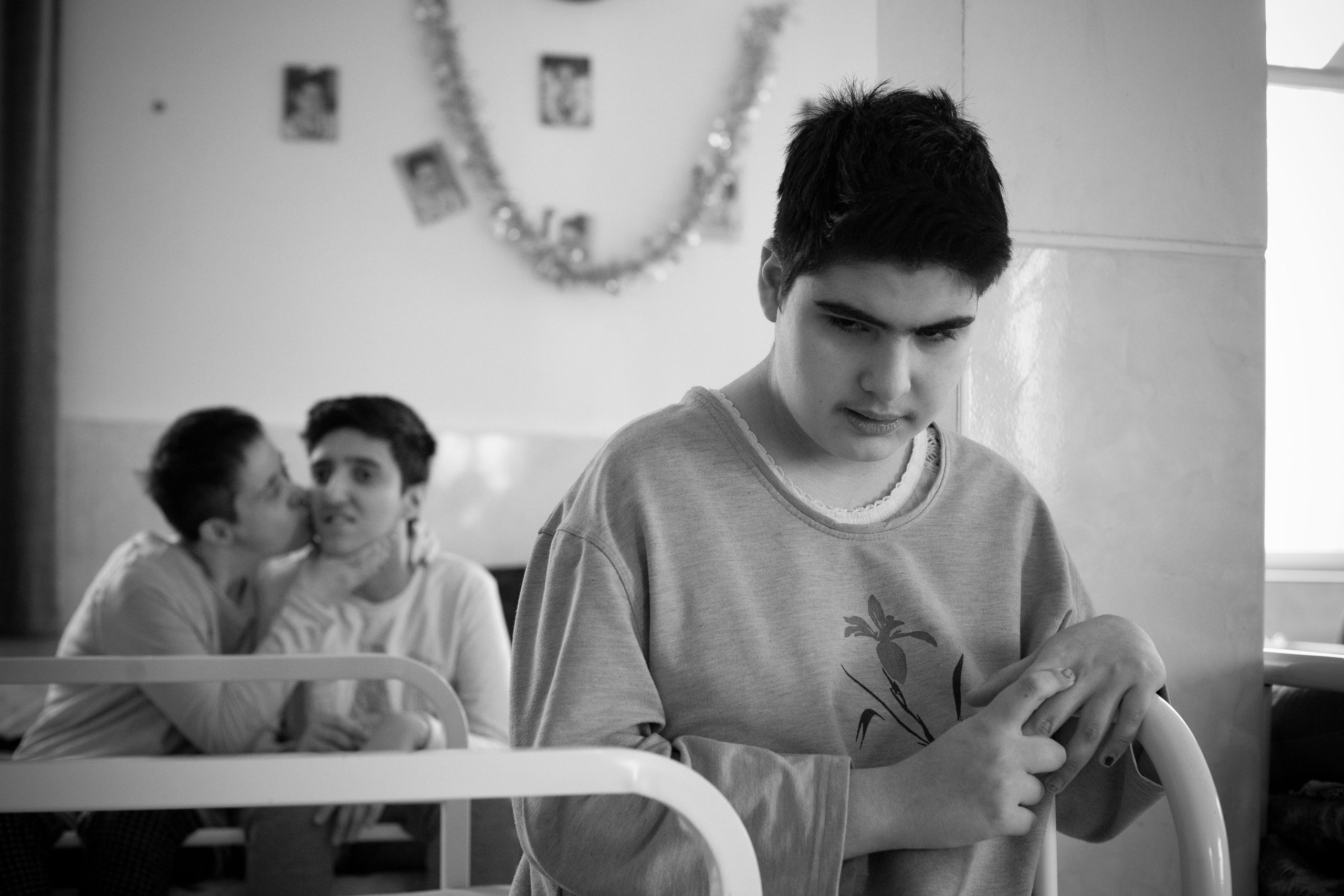
“What is seen in this series is not merely an image of disability, but the suspended condition of people who have lived between presence and erasure.”
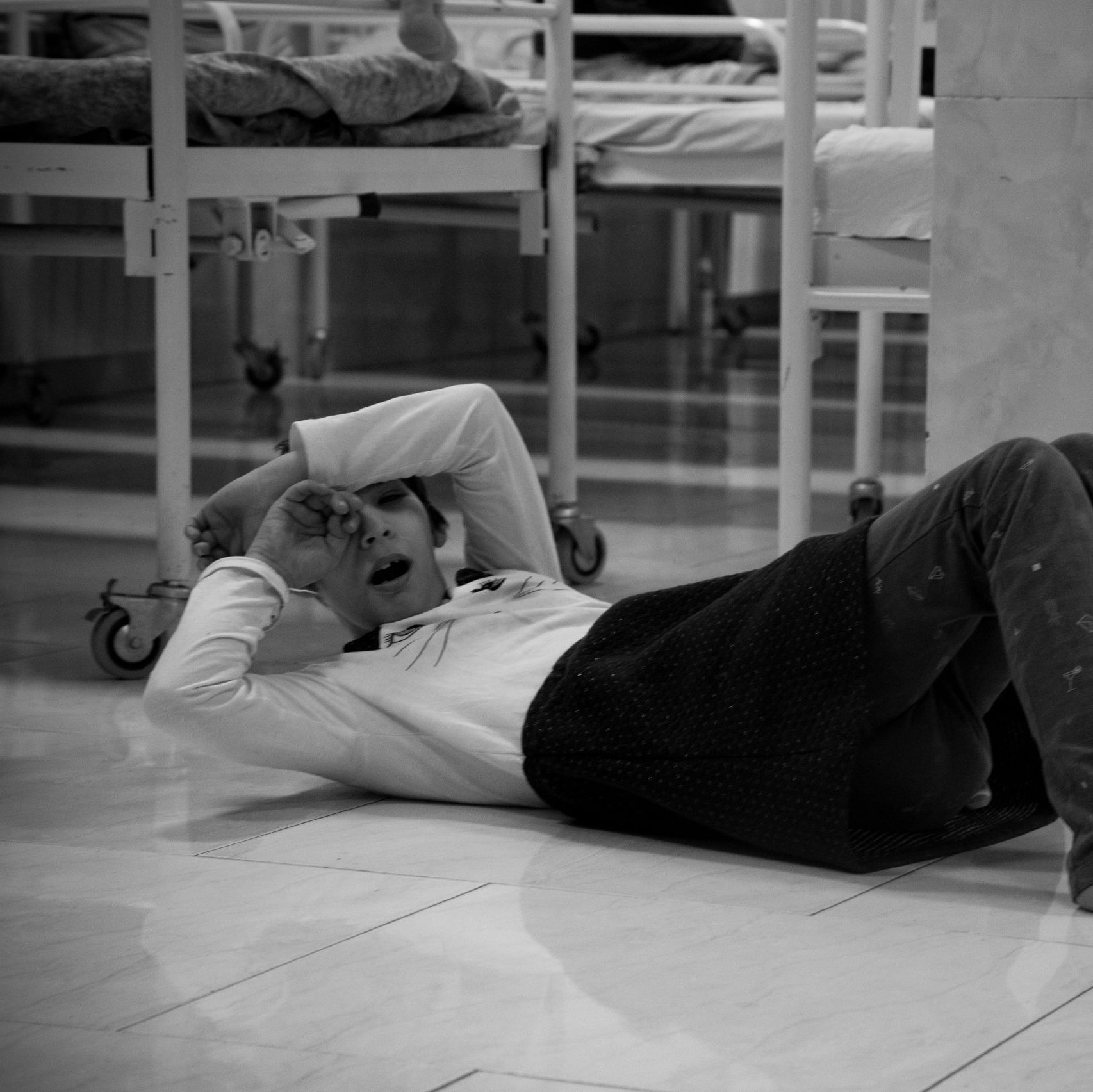
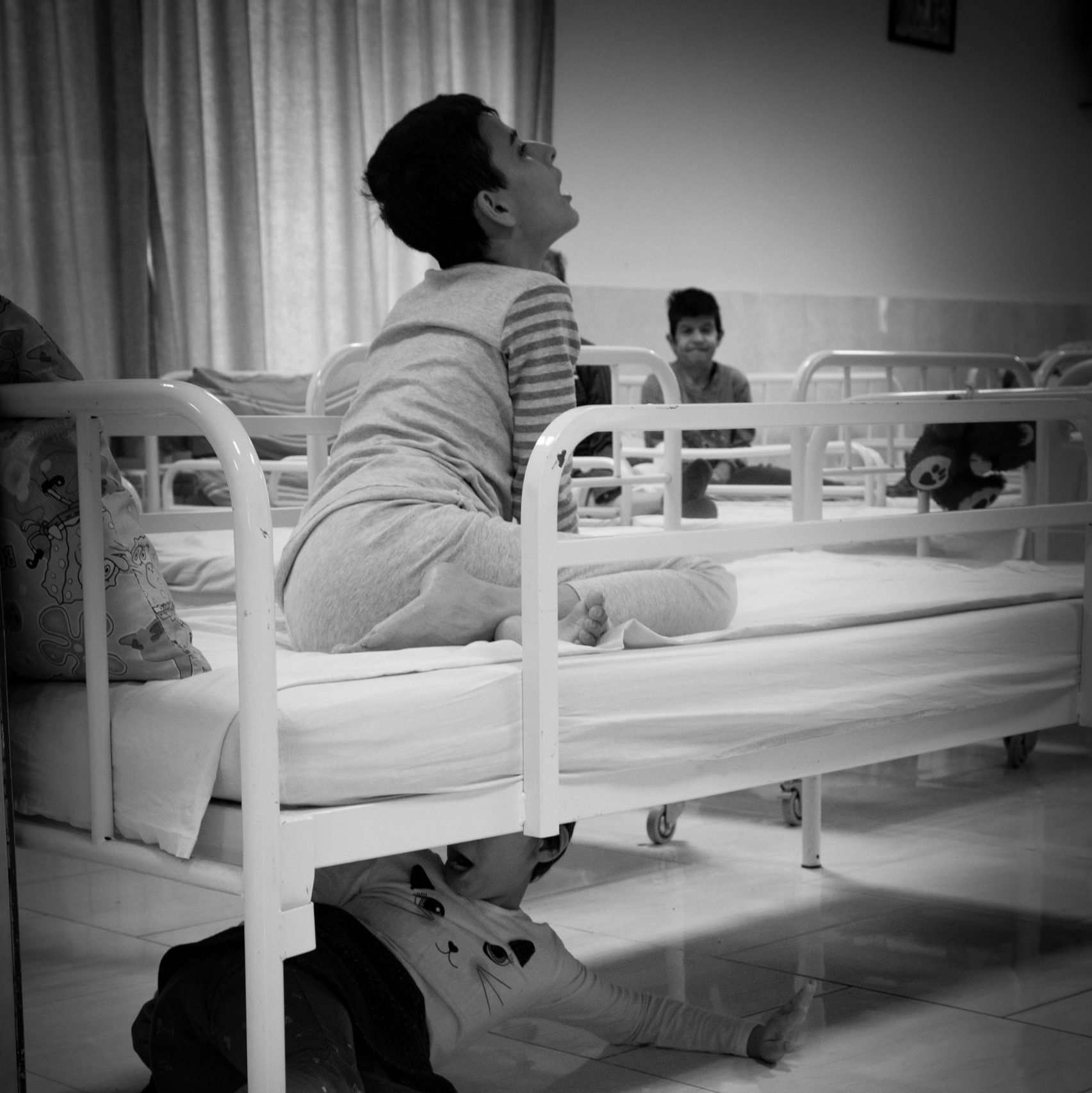
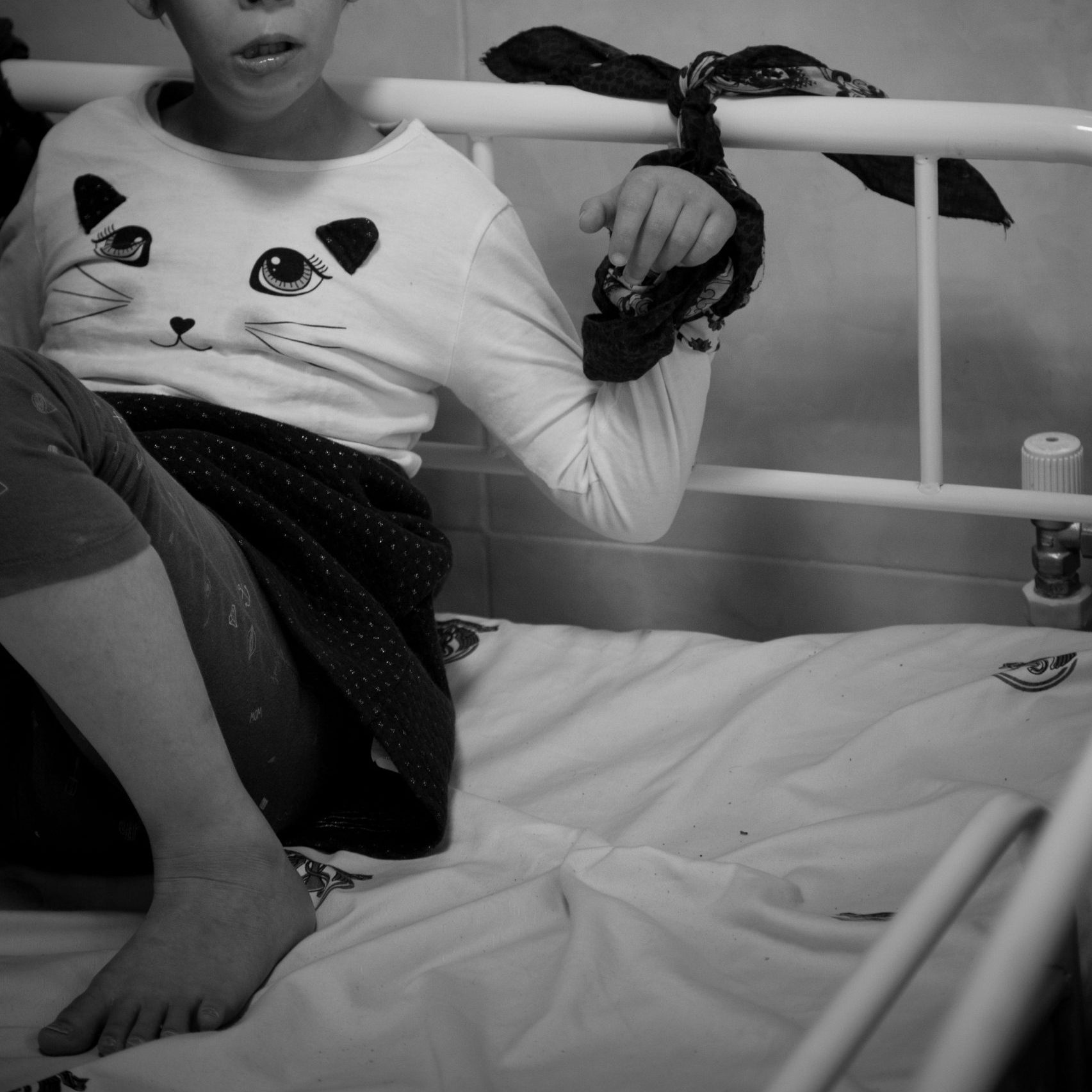
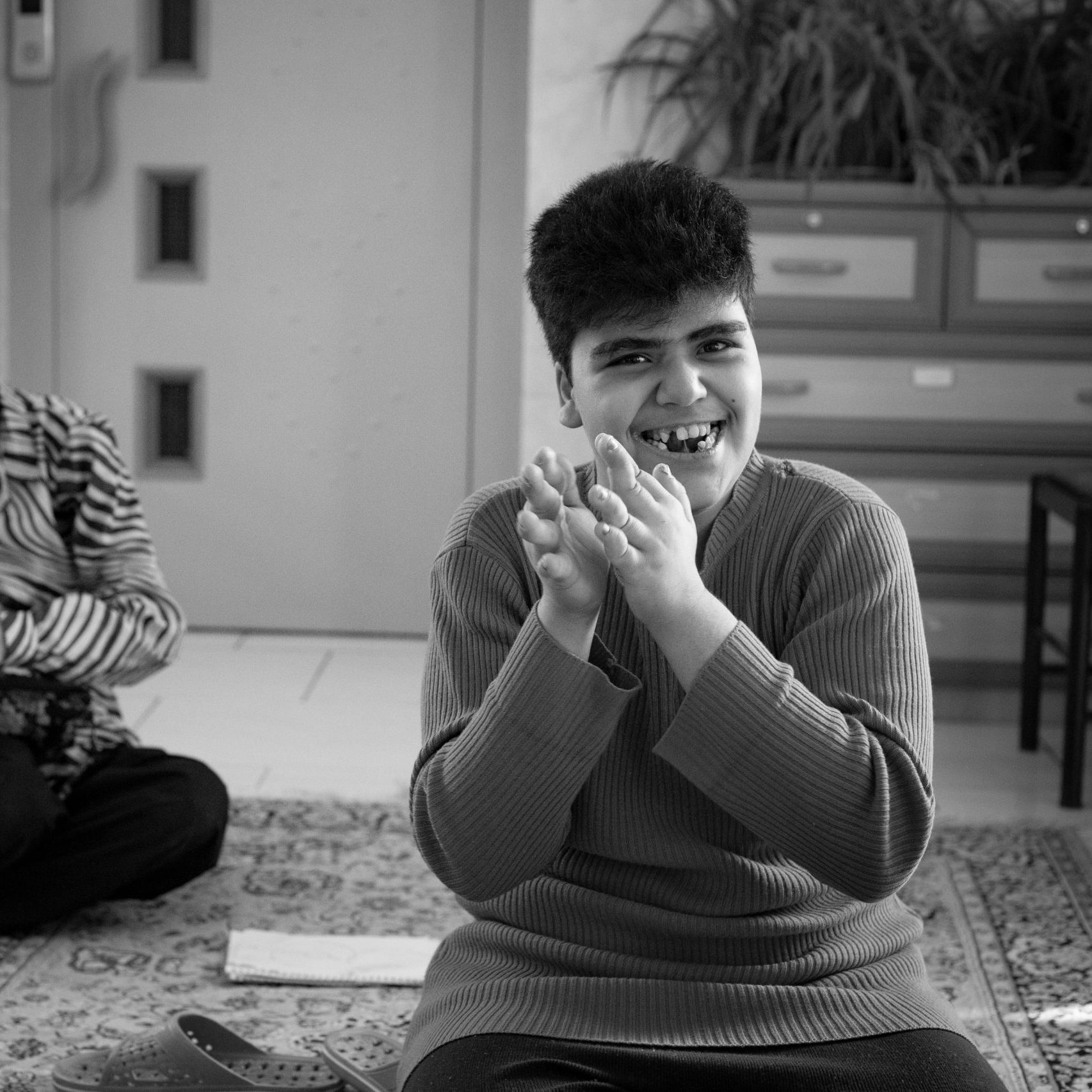
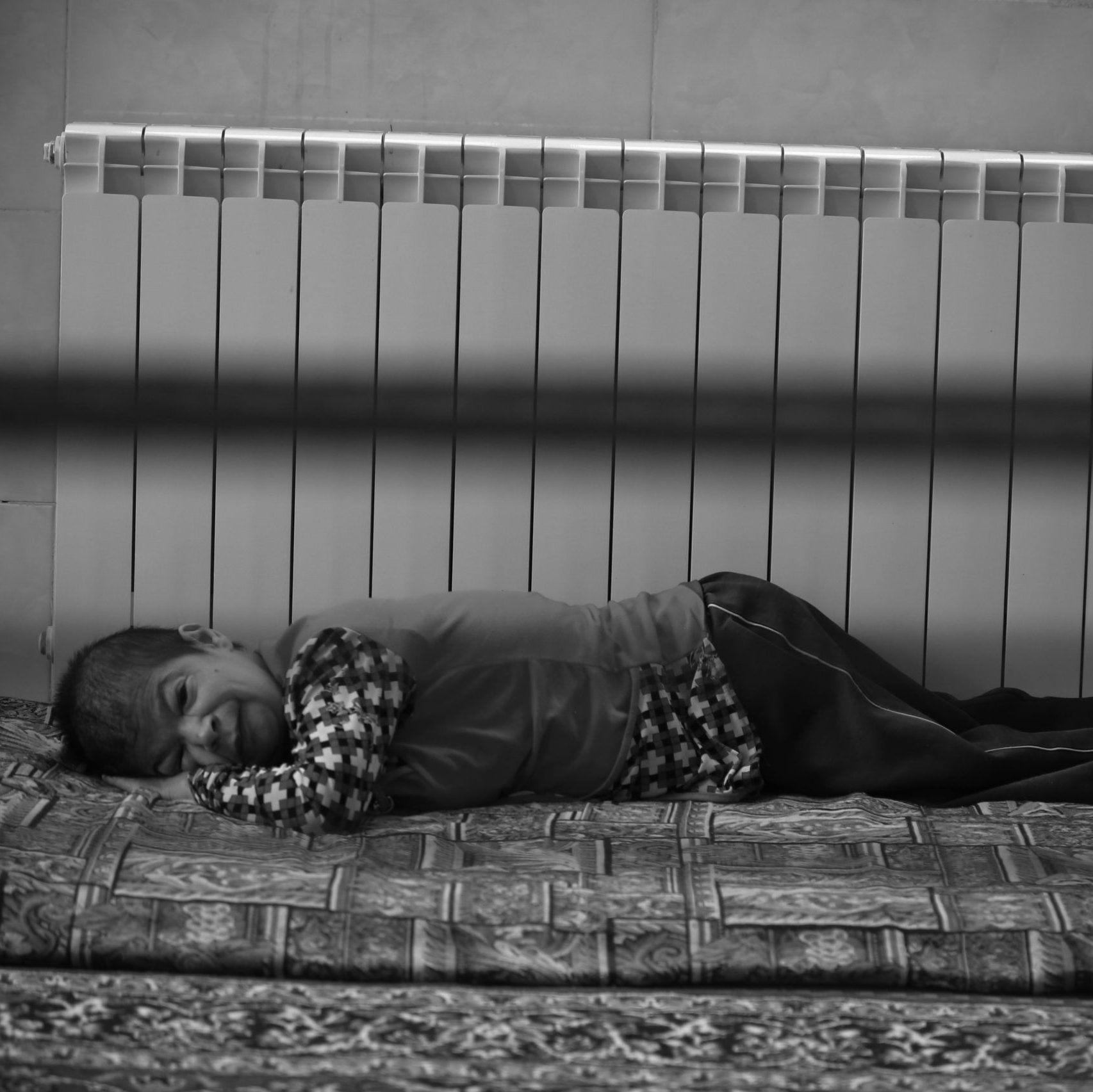
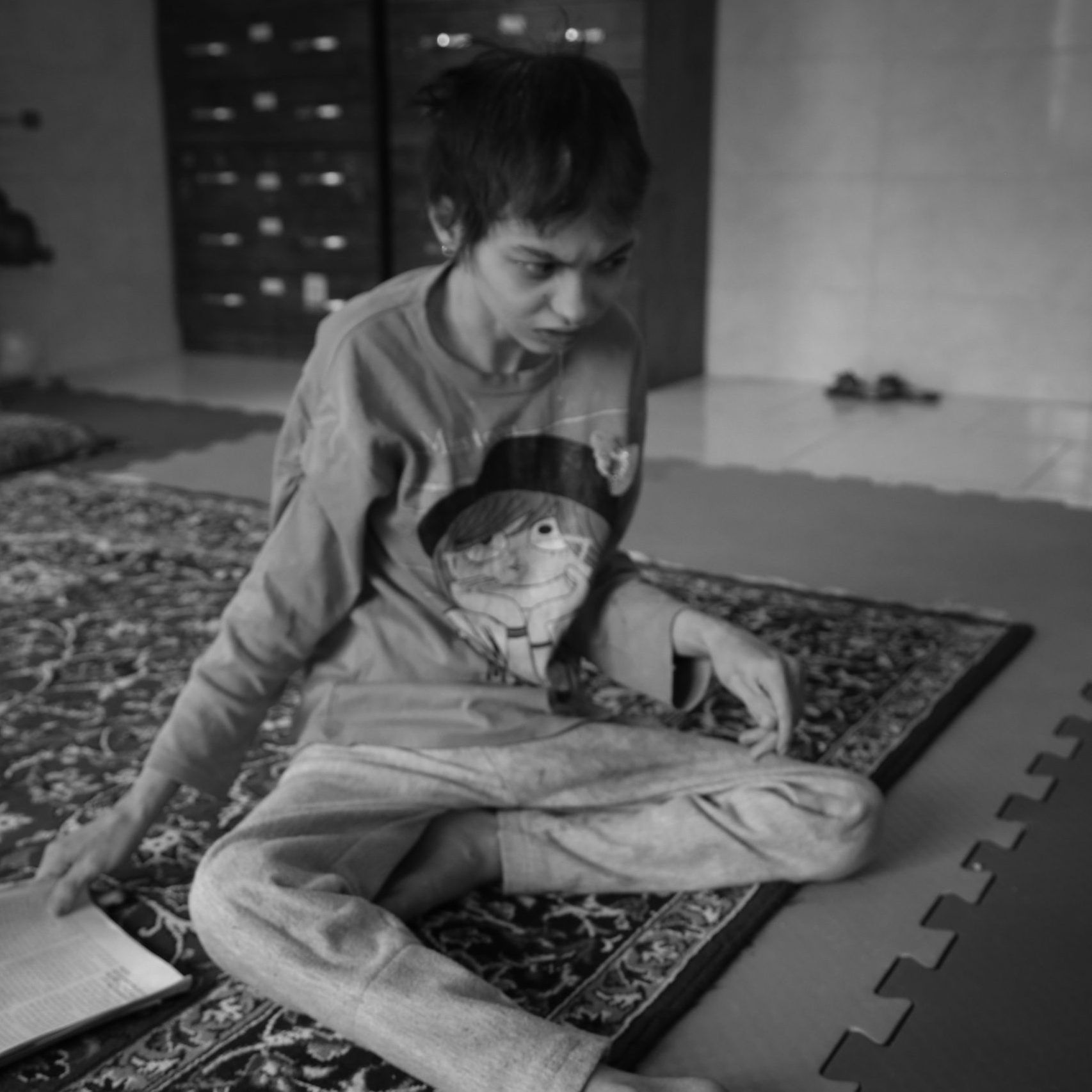
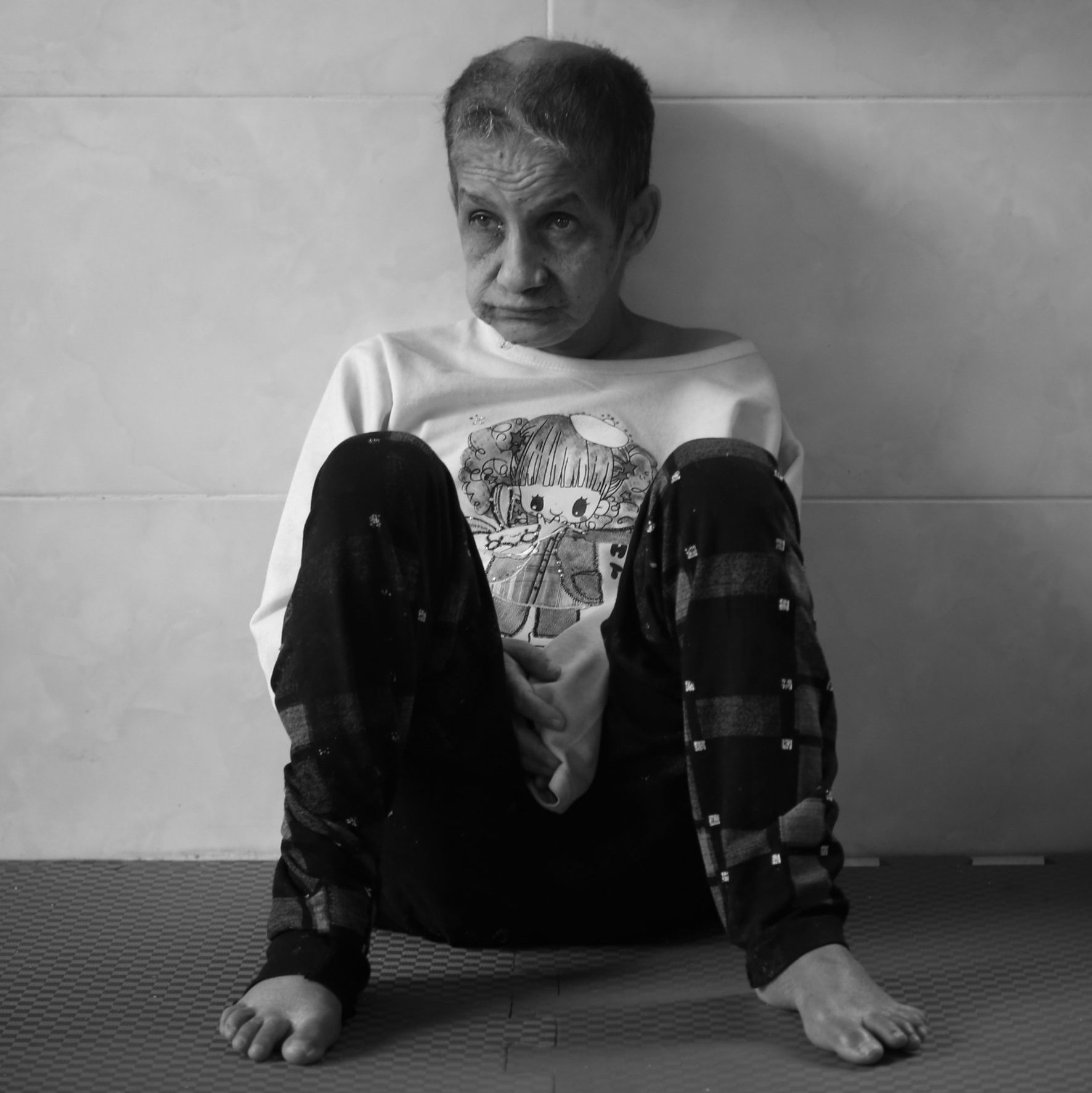
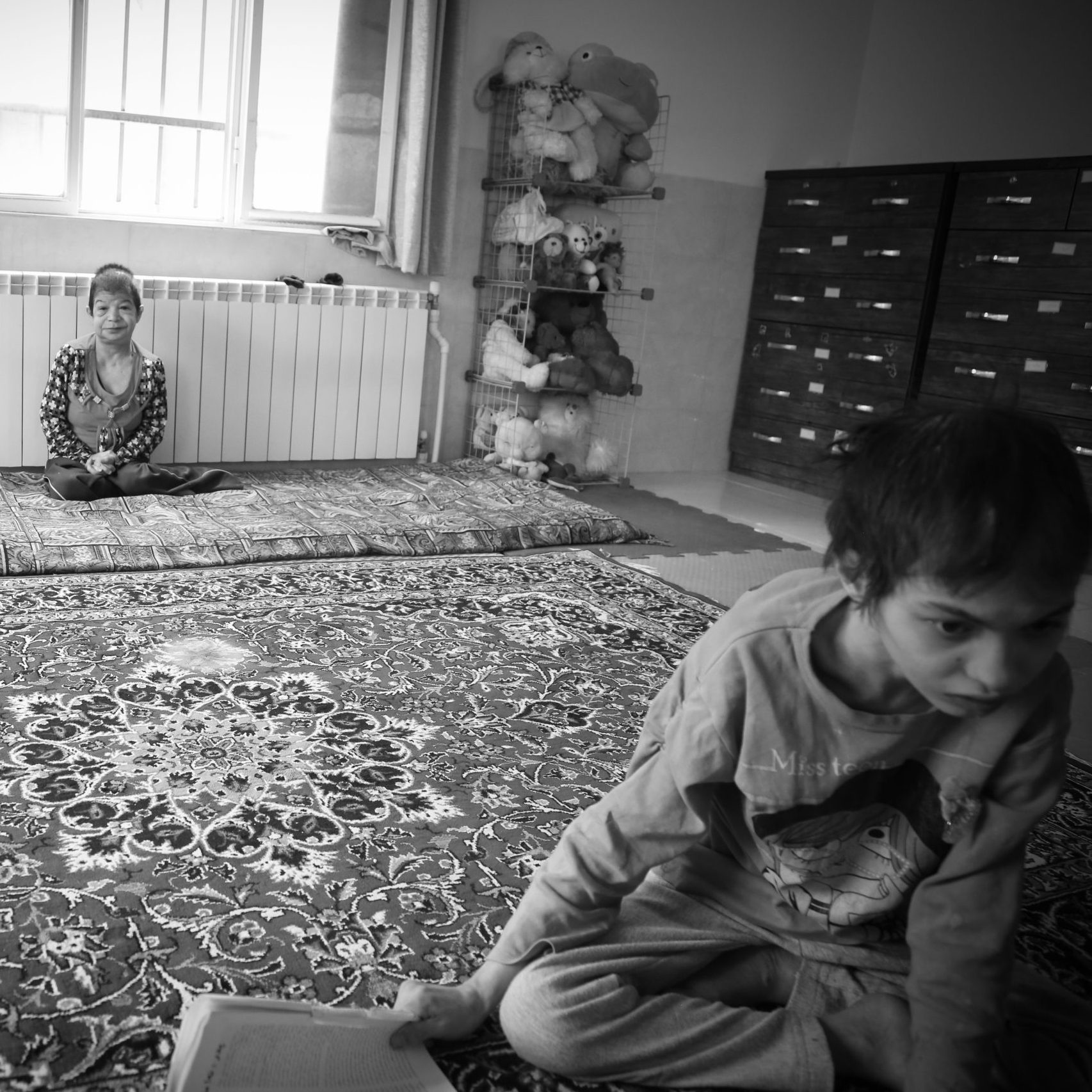
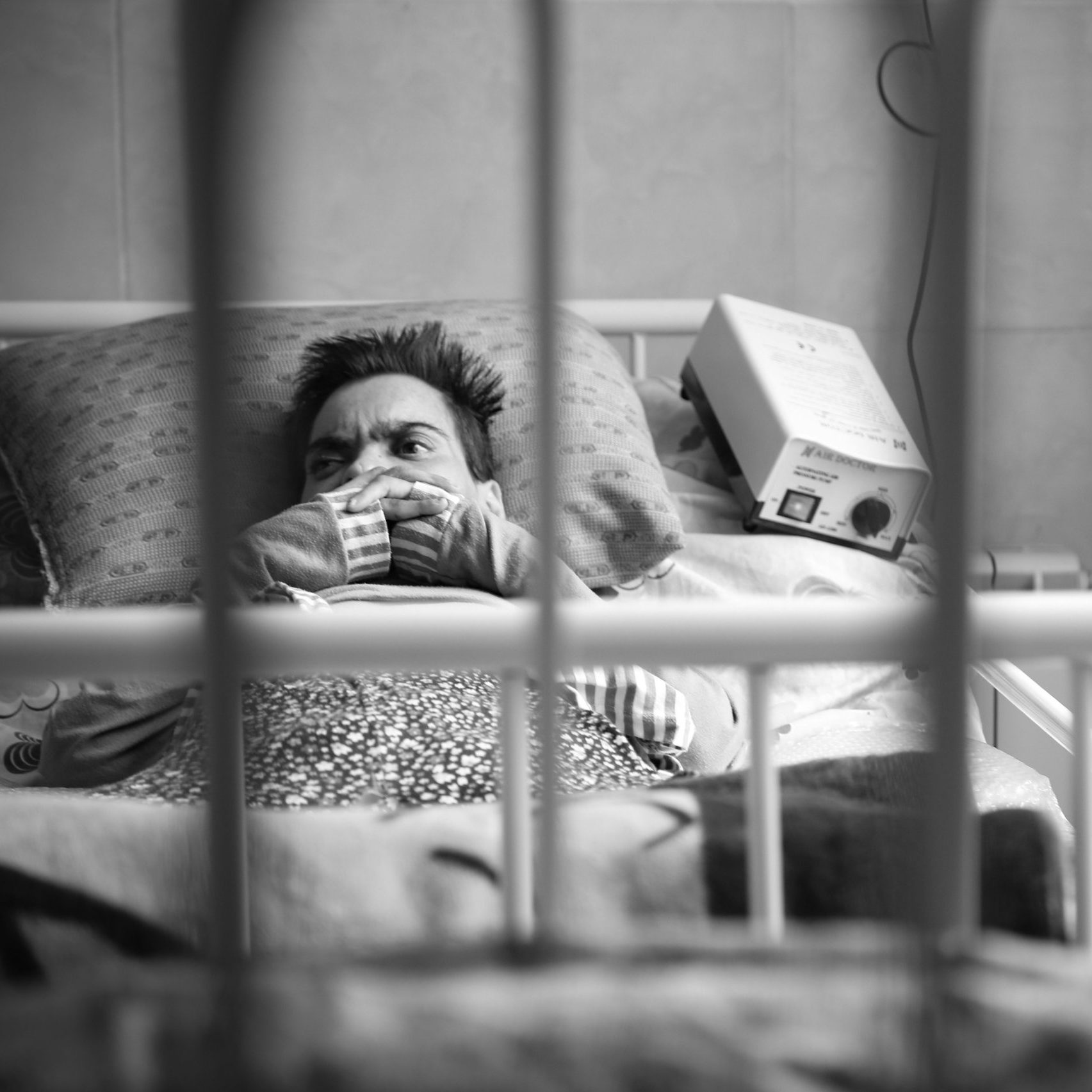
In 2020, the series “EVE” was photographed near Fasham, outside Tehran, Iran, in a private charitable home called “Fereshtehaye Nazanin” (“Lovely Angels”), run by its director and sustained through public donations. d mobility disabilities, of different ages, lived there.
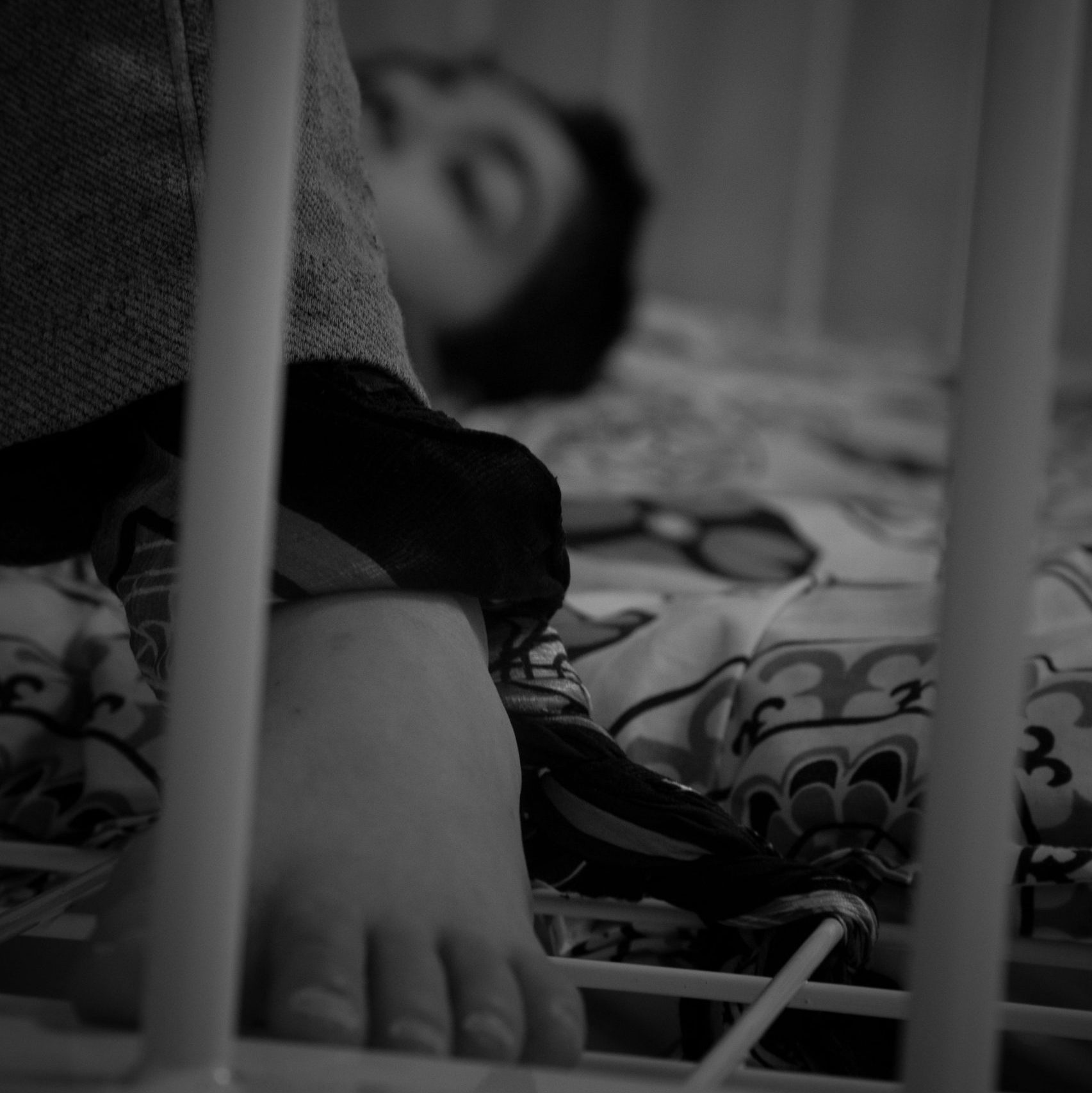
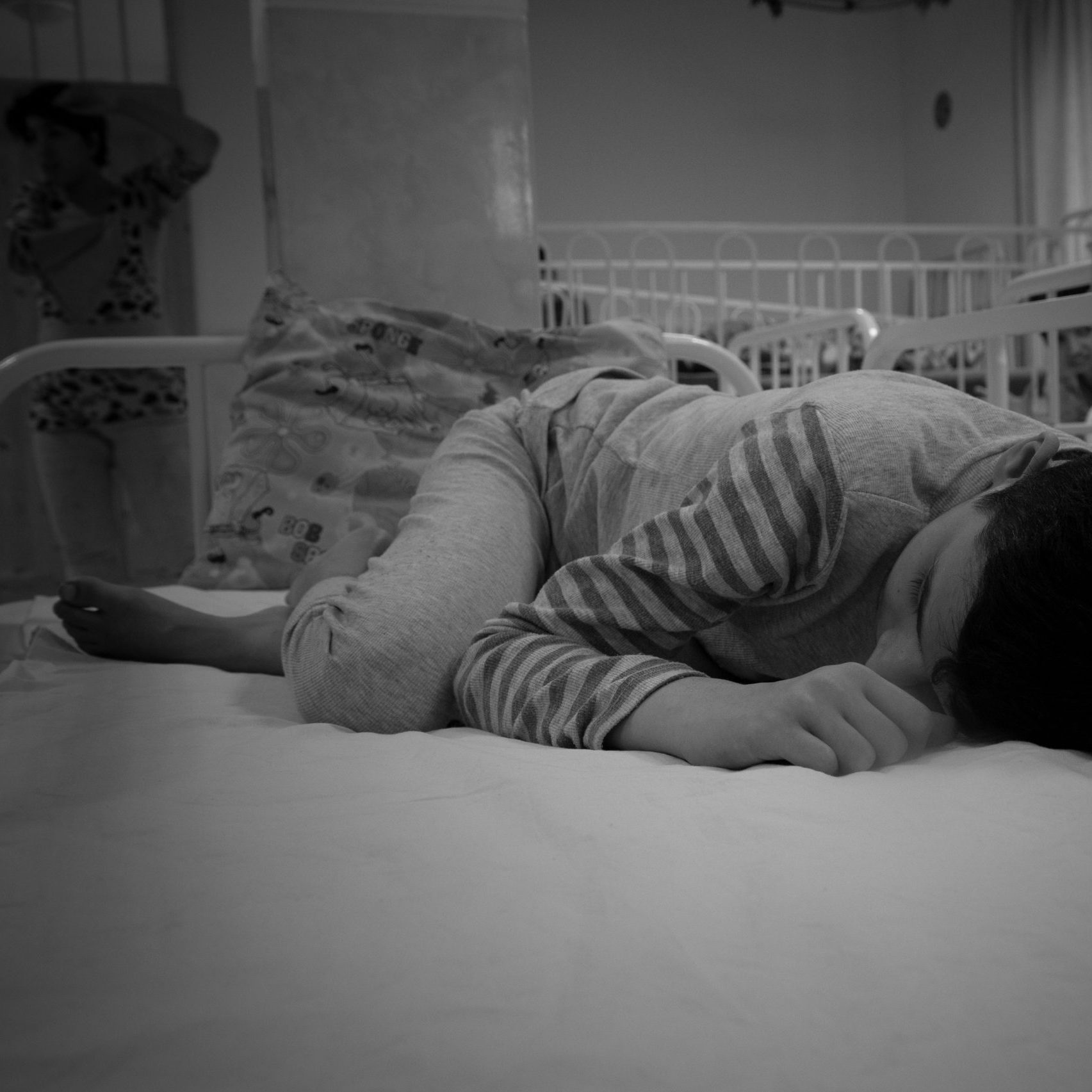
Many of them had been abandoned by their families because of illness or disability; some had been left anonymously at the door of the home as children. What appears in this series is not simply an image of disability, but the suspended condition of people who have lived between presence and erasure.
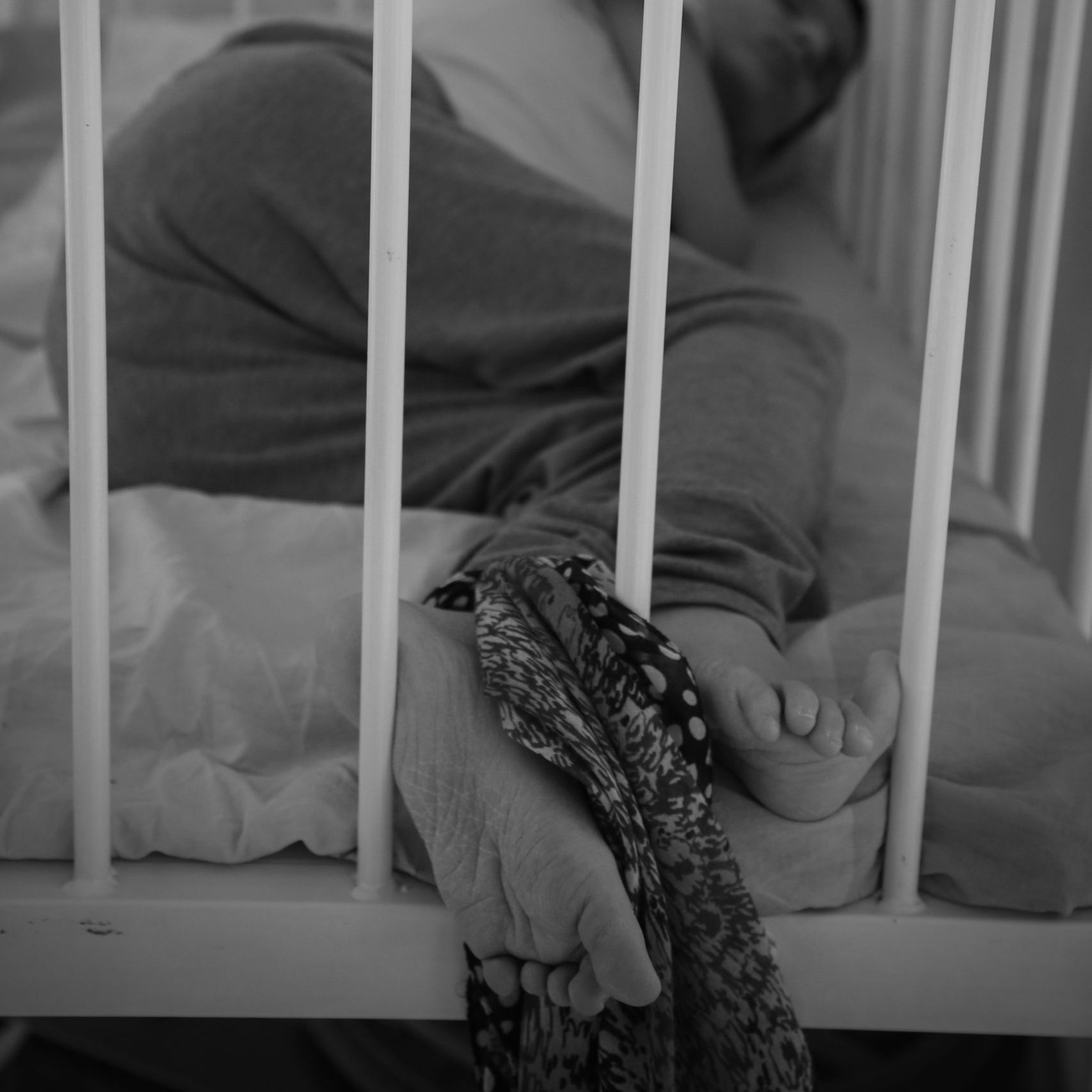
The gaze of this series is built on the tension between stillness and movement. In many of the photographs, the bodies are still: limited, silent, at times dependent on a wheelchair or a bed. Yet in the same moment, something remains in motion—in a gaze, in a hand, in the space between two people, or in the body’s desire to continue. The camera attempts to register that narrow moment in which suffering has not yet erased the possibility of living.
These photographs do not seek to turn suffering into spectacle. To look at the pain of others always carries the risk that their suffering becomes something distant, aestheticized, or consumable; an image that, instead of bringing us closer to the person before us, only deepens the distance. In “EVE,” the camera does not look from thIn “EVE,” the camera does not look from the outside, but from a close and human distance, not to provoke pity, but to record a presence that is usually unseen.isYears later, amid the severe economic crisis in Iran, intensified by the policies of the Islamic Republic and the role of institutions such as the Islamic Revolutionary Guard Corps within the country’s political and economic structure, the continuation of this home became impossible.were dispersed among different care facilities and institutions. Some of them died in the years that followed.
Today, this series remains the only record of a place that, despite everything, was an attempt to create safety, dignity, and a sense of peace for those whom the world had already forgotten.